How can African nations benefit from the region’s battery mineral resources?
:format(auto):focal(center))
In recent years, Africa has rapidly grown from a small player in the global battery supply chain to a strategically significant one, as global players begin to realise the potential of the region’s resources.
As Europe and North America in particular look to diversify their China-centric supply chains, African nations are emerging as key trade partners.
Africa’s growing role in the global battery supply chain and how countries in the region can best capture value from this were key points of discussion at Benchmark’s Giga Africa event in Marrakesh, Morocco.
“Africa will continue to play a really significant role in efforts to diversify,” Benchmark chief executive Andrew Miller told attendees in his opening keynote at the event. “When we think about supplying those fastest demand growth channels in Europe and North America, Africa is going to be incredibly important in that mix.”
How is Africa positioned for the battery industry?
Across Africa are all of the minerals required for a battery: lithium in Zimbabwe, copper and cobalt in the DRC, nickel and copper in Zambia, manganese in South Africa, phosphates in Morocco, and graphite in Mozambique.
“The call here is for all the countries within the region to collaborate,” Leon Godza, Chief Director at the Ministry of Mines of Zimbabwe, said at Giga Africa, with an emphasis on these materials eventually being converted to cathode, anode and cells within Africa. “The important thing is to encourage collaboration between the cross-border economic zone for battery and electric vehicle production.”
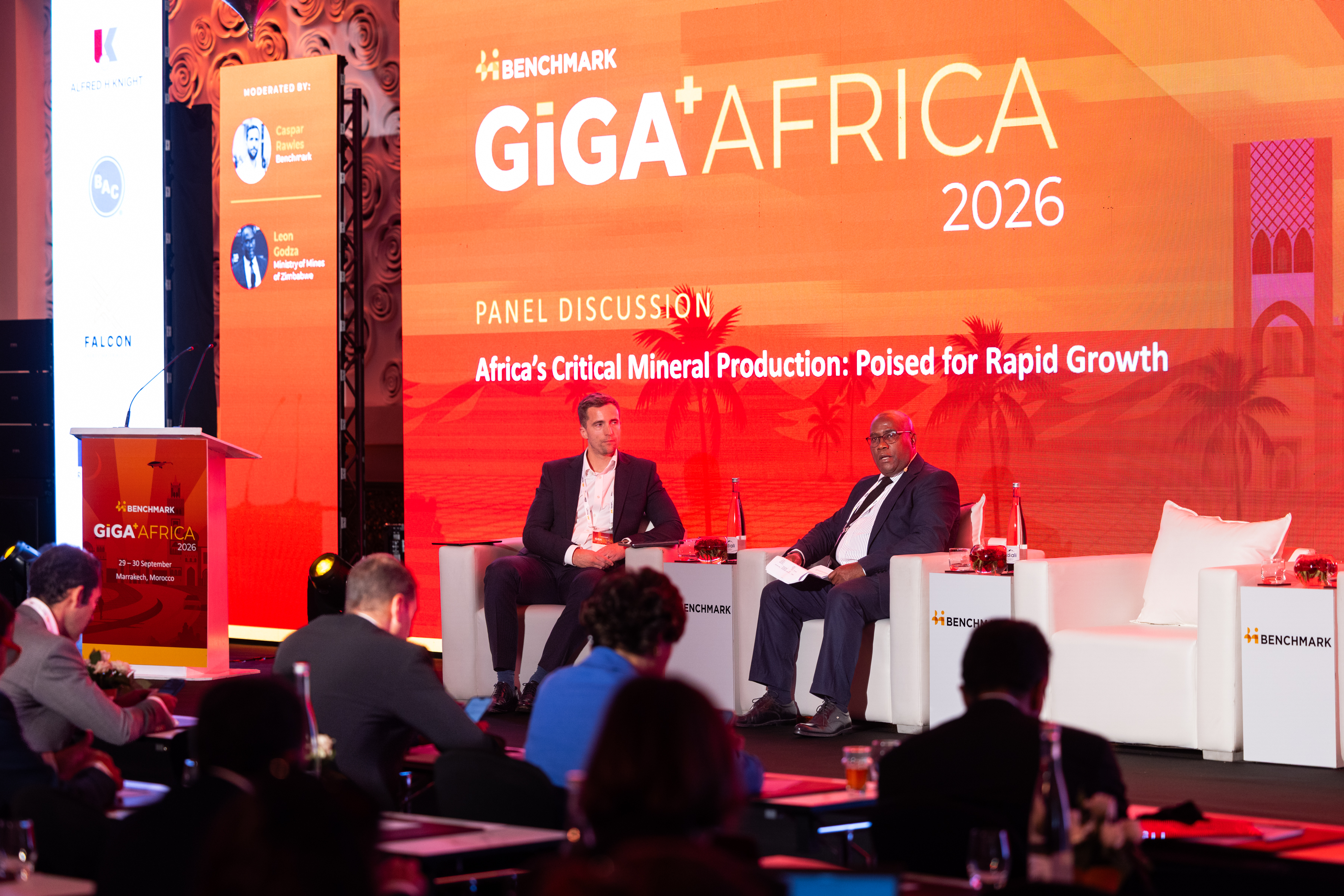 Leon Godza, Chief Director, Ministry of Mines of Zimbabwe talks about Zimbabwe's battery mineral industry and value add with Benchmark's COO Caspar Rawles
Will African nations benefit from this?
Although investment from China, North America, and Europe is vital for growth in the region, historically much of the value from Africa’s natural resources has been captured outside of the region.
“Reserves alone don’t create value; refining and transformation do,” Khalid Hammouch, Managem’s SVP for business development, said at the event. “Whoever controls the transformation step controls the value chain.”
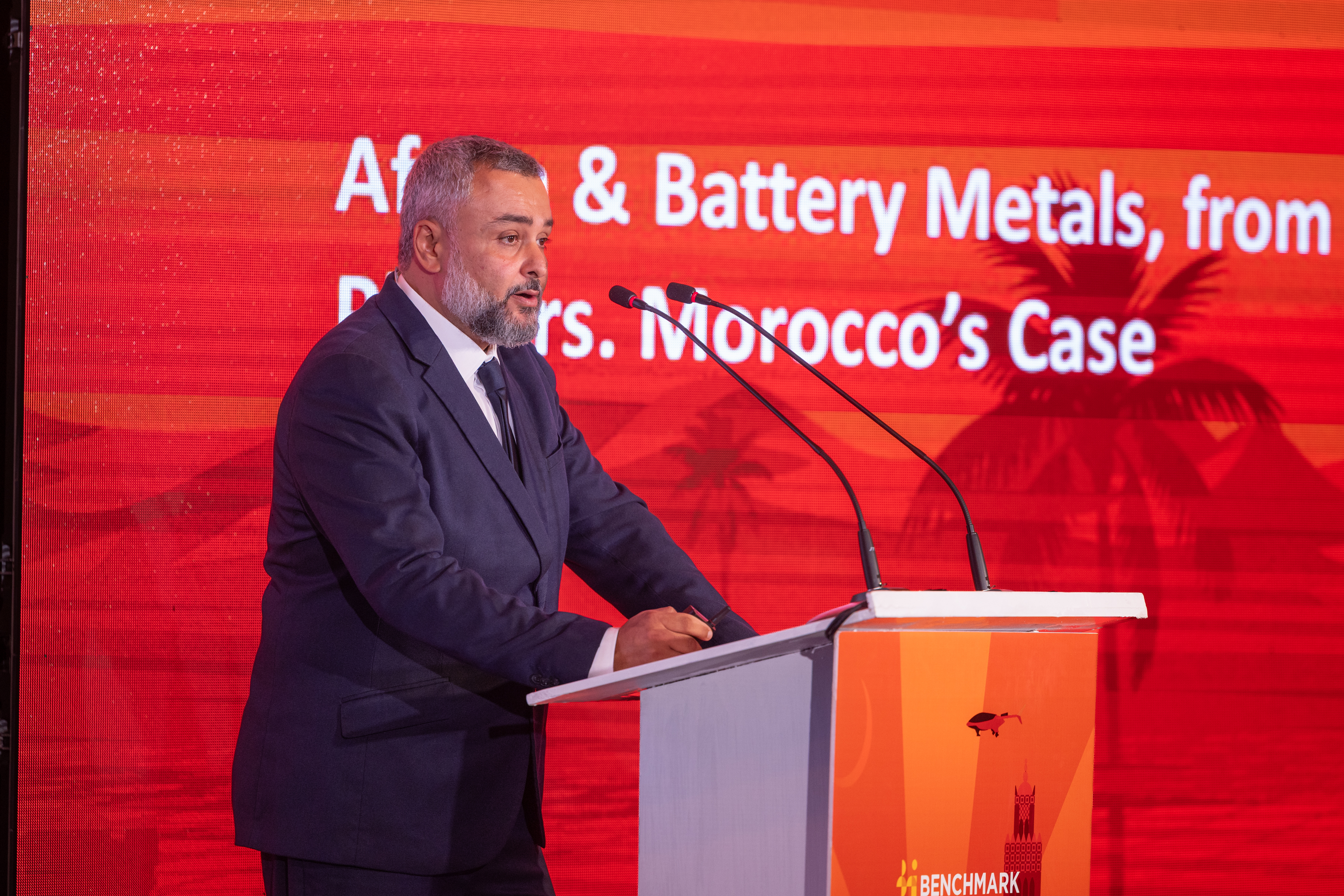 Khalid Hammouch, SVP Business Development, Managem delivers a keynote presentation at Benchmark Giga Africa 2026
To this end, many African countries have put policies in place over the last few years banning or controlling the export of raw minerals to incentivise the build-out of domestic refining capacity.
In the short term, it is likely that processing capabilities will be developed by foreign entities, especially Chinese companies, given their immense expertise in the mineral refining space. However, Eddy Kioni, CEO of DRC miner Buenassa, emphasised that foreign partners should play a supporting role, rather than owning the processing capacity.
“Congolese players need to process their own product,” Kioni told delegates. “It is not only about processing locally; it is [about] processing by locals with support from foreign partners.”
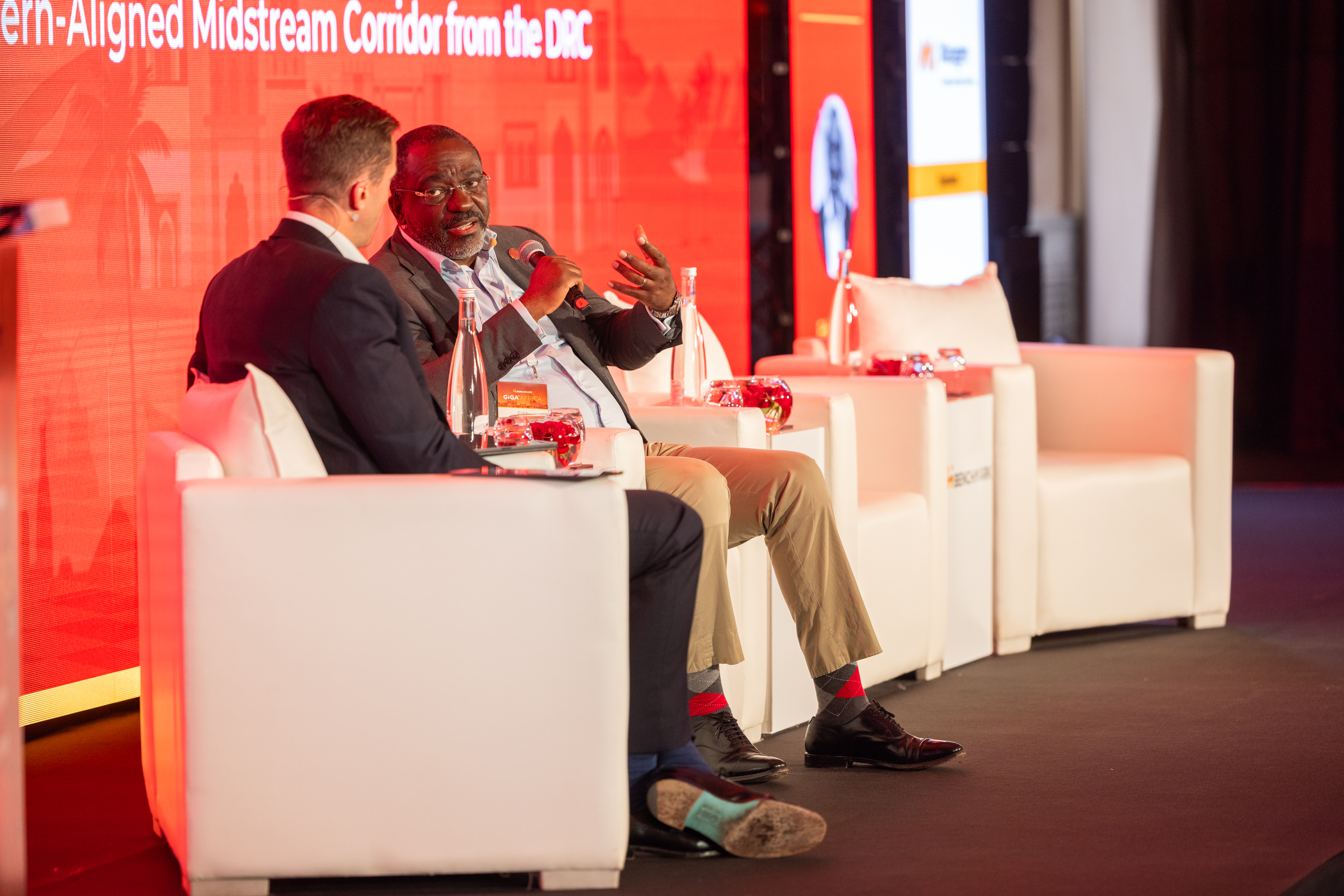 Eddy Kioni, CEO, Buenassa talks to Benchmark's COO Caspar Rawles about keeping value within the DRC
For more information about the service this data draws from, get in touch
Want to read more analytical content?
Create a Free Account
Create a free Intelligence account to access 3 content pieces per month.