DRC announces new four-month cobalt export ban
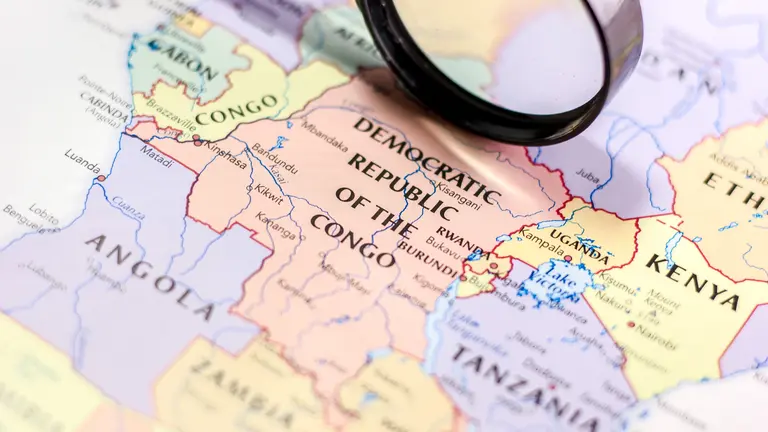
The DRC’s governing body for strategic minerals, ARECOMS, has announced that it will implement a four month ban on all cobalt exports from 30 November 2026. ARECOMS had previously banned cobalt exports in February 2025, before allowing specific miners to resume exports under a quota system in October 2025.
With this latest export ban, DRC exports for 2027 are capped at 65,250 tonnes, removing 29,000 tonnes of cobalt available to the market. This pushes the deficit in 2026 from -48kt to -54kt, and from -22kt to -40kt in 2027 according to analysis by Benchmark. This market balance includes unexportable CMOC material, so does not reflect what is available to refiners downstream. Looking at the market purely from an export constrained perspective, and therefore including only material that can exit the DRC, the deficit grows to -127kt in 2027.
“This is likely to have a significant impact on prices; compounded by the unconfirmed Indonesian rumours on HPAL cuts,” said cobalt analyst Roman Aubry. “While DRC miners have been able to export material this year, they have faced challenges when it comes to selling hydroxide, as cheaper alternatives led to buyers seeking lower offers, and consequently, hydroxide stocks have grown in ex-DRC warehouses.”
Aubry added, “However, with sentiment turning on the back of the announcement, there is an opportunity for miners and traders to leverage this to sell already exported material sitting in warehouses around China at higher price levels.”
How has the previous ban impacted the cobalt market?
As the DRC is the largest source of mined cobalt in the world, the 2025 export ban had an immediate impact on the cobalt market. Cobalt hydroxide prices more than doubled in the three months following the ban, from $5.70/lb to $11.75/lb.
However, as prices rose, refiners downstream looked for alternative sources of cobalt, opening the door for traditionally less competitive cobalt feedstock. Recycled sulphate from black mass and MHP from Indonesia bridged the gap for the limited hydroxide. Additionally, increasingly bearish sentiment from downstream Chinese refiners limited purchasing interest for hydroxide, despite fundamental tightness in the market.
This caused hydroxide prices to begin to decline in August, from $23.75/lb at the end of July to $12.50 in mid November.
“Market participants expected that the DRC would respond to rapidly falling prices, particularly given the perception that the DRC had implemented export restrictions to better control cobalt prices,” Aubry said. “However, while a response was expected, the majority of conversations between Benchmark and the market pointed towards the expectation that ARECOMS would tighten quotas rather than issuing an outright ban.”
For more information about the service this data draws from, get in touch
Want to read more analytical content?
Create a Free Account
Create a free Intelligence account to access 3 content pieces per month.